
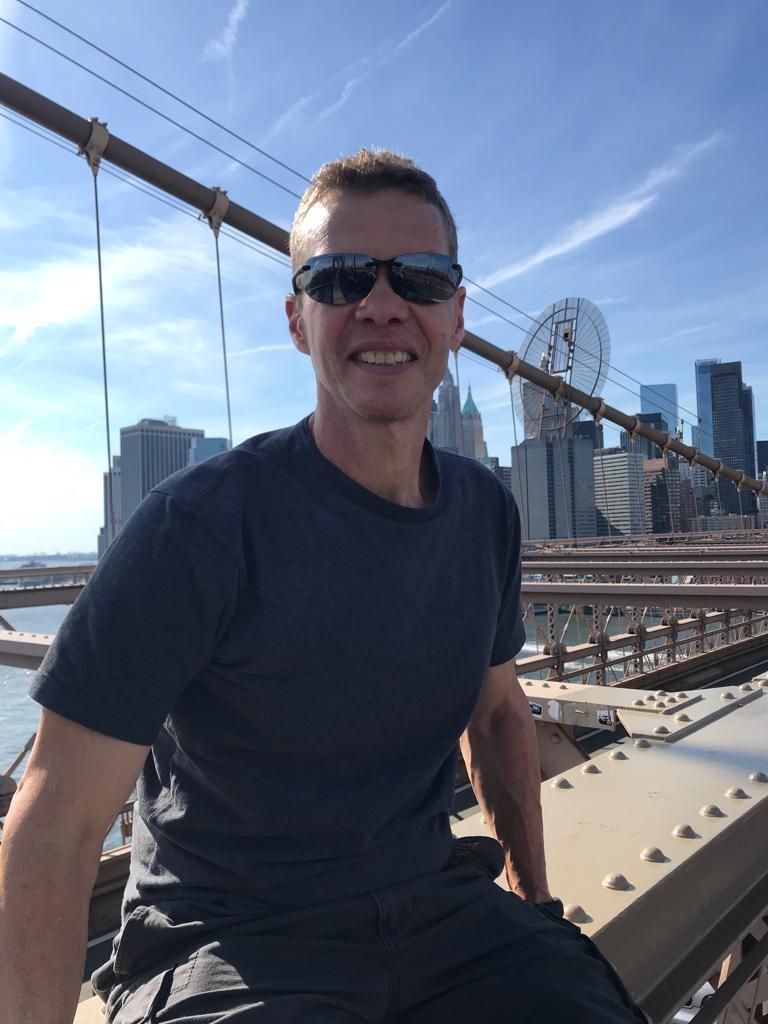
An interview with Steven Yellen: Living Parkinson’s: Turning Challenge into Purpose
Biography
I spent my career solving problems in engineering and business. When I was diagnosed with Parkinson’s at 55, I eventually realized I needed to apply that same structured, analytical mindset to my health and future. I documented my approach in my book, Living Parkinson’s and on my website, LivingParkinsons.com. A portion of proceeds from sales of Living Parkinson’s will be donated to Parkinson’s-related charities.
My full bio: https://www.
Can you tell me more about your Advocacy?
My advocacy centers on helping people move from passivity to action. I focus on promoting exercise and wellness, encouraging research participation and supporting legislation that accelerates better treatments and ultimately a cure. By engaging with policymakers and national organizations, I work to advance research funding and patient-centered policy so that people with Parkinson’s are not just patients — but participants in progress.
What is your passion and how did you get involved in Parkinson’s awareness and hope for a cure?
My passion is helping people move from passivity to action. After realizing I couldn’t control the diagnosis but could influence my response, I became involved in research studies, policy conversations and community outreach. Awareness and research participation are critical if we want real progress.
What type of goals do individuals with Parkinson’s have when seeing your Advocacy?
Individuals who engage with my advocacy are usually looking for direction and reassurance that they’re not powerless. Their goals often include finding practical steps they can take now — whether through exercise, research participation or community involvement — while progress toward better treatment continues. They want to feel that their actions matter.
What effect can your Advocacy have on an individual with Parkinson’s?
I encourage active participation—at all levels. When people speak up, participate in research or educate others, they shift from being patients to being contributors. That mindset change alone can be powerful.
What would you like to see as a future goal for your Advocacy?
I would like to see greater participation in research and stronger bipartisan support for Parkinson’s legislation. Long term, I hope to help normalize the idea that every person with Parkinson’s has a role to play in accelerating solutions.
What events do you participate in?
I’ve completed triathlons, Spartan obstacle course races and multiple Empire State Building stair climbs to demonstrate what structured exercise can achieve. I also participate in advocacy days with government officials and research initiatives focused on accelerating treatment development.
How does this also assist the caregivers?
When patients take an active role, caregivers often feel less helpless. A structured plan — including exercise, wellness and advocacy — gives families a sense of direction and shared purpose.
How can someone get in touch? What is your website?
People can connect with me at LivingParkinsons.com, where I share resources, updates and information about my book. I welcome conversations and collaboration.
Facebook: Living Parkinson’s Page (https://www.facebook.com/livingparkinsons)
Instagram: @livingparkinsons
YouTube: LivingParkinsons
Website: LivingParkinsons.com
How can others also become advocates for awareness?
Start small — share your story, participate in a study or contact your elected officials about Parkinson’s legislation. Advocacy doesn’t require expertise; it requires willingness.
In your opinion, what is the key to effective advocacy?
Authenticity and credibility. Advocacy is most powerful when it combines lived experience with facts and sustained engagement.
How can we better fundraise to support a cure for Parkinson’s?
By personalizing the issue. When people understand that Parkinson’s affects families, workplaces and communities — not just individuals — they’re more motivated to contribute and stay involved.
What other activities do you undertake to help improve and support your daily living?
I follow what I call the Four Pillars of Wellness: exercise, nutrition, sleep and mindfulness — built on a foundation of low-toxicity living. I aim for what I call the “85% Rule”: doing most of the right things most of the time in a way I can sustain long term.
I participate in triathlons, Spartan obstacle course races and Empire State Building stair climbs to demonstrate what structured exercise can achieve. I also participate in advocacy days, and research initiatives focused on accelerating treatment development.
Why should people who don’t have Parkinson’s care about this?
Parkinson’s is one of the fastest-growing neurological diseases in the world. It affects families, workplaces and healthcare systems — and research breakthroughs often benefit from broader neurological science.
Have you had any family members or relatives affected by Parkinson’s disease?
No close family members, which reinforced for me how unpredictable this disease can be — and why awareness matters for everyone.
If you had one song that would tell us more about you?
Really hard to say, maybe Robert Tepper – No Easy Way Out (from Rocky IV)
If you had one final statement for the Parkinson’s community?
Parkinson’s may change your life, but it doesn’t remove your ability to influence how you live it. Stay engaged. Build a plan. Keep moving forward.
_____________________________
TogetherForSharon® In memory of my mother, Sharon to voice awareness & hope for a Parkinson’s Disease cure. Sharon’s Son, George
Support https://www.togetherforsharon.com/shop/
Would you like to share your journey! Reach out and together our Voices are so much STRONGER!