
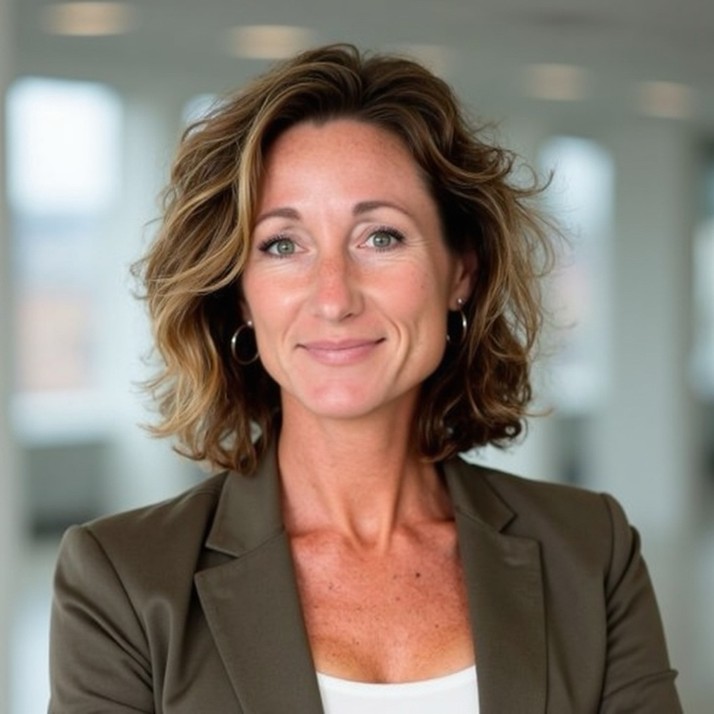
An interview with Heather Lacy: Restoring Dignity in Complex Healthcare Systems
Biography
I spent over 20 years as a healthcare operations executive leading high compliance Medicare environments and large call center teams. Today I speak and advise on building high-performance cultures through ownership, operational clarity, and human-centered leadership under pressure.
Can you tell me more about your Advocacy?
My advocacy centers on restoring dignity for seniors and caregivers navigating complex healthcare systems. I focus on helping organizations recognize that behind every call, claim or chart is a human being who deserves clarity, patience and respect.
What is your passion and how did you get involved in Parkinson’s awareness and hope for a cure?
My passion is ensuring vulnerable populations are not lost in the systems designed for efficiency over empathy. Through conversations like this, I aim to highlight how conditions such as Parkinson’s amplify the need for clearer communication and stronger caregiver support.
What type of goals does individuals with Parkinson’s have when working with you?
While I do not provide direct clinical services, many of the leaders and teams I work with aim to better serve individuals by managing chronic conditions by improving communication, reducing friction, and designing processes that honor cognitive emotional realities.
What type of training and how long are the programs?
I deliver keynotes, workshops, and executive strategy sessions ranging from 60-minute talks to multi-session culture engagements. The focus is on ownership, service design, and protecting dignity in high-volume healthcare environments.
What effect can your Advocacy have on an individual with Parkinson’s?
When healthcare systems operate with clarity and accountability, individuals navigating Parkinson’s experience less confusion, fewer barriers and greater respect. Small operational improvements can significantly reduce caregiver stress and patient frustration.
What would you like to see as a future goal for your Advocacy?
I would like to see healthcare organizations intentionally design systems around the cognitive and emotional realities of aging populations, not just regulatory compliance and cost containment.
What events do you participate in?
I participate in leadership conferences, healthcare forums, and community events that focus on ownership, resilience, and improving the customer and patient experience.
How does this also assist the caregivers?
Caregivers often carry invisible administrative burdens. When organizations simplify the process and communicate clearly, caregivers gain time clarity and emotional bandwidth.
How can someone get in touch?
I can be reached at heather@heatherlacy.com or connect with me on LinkedIn at https://www.linkedin.com/in/heather-lacy-b1301b63
What is your website?
My website is http://www.heatherlacy.com
How can others also become advocates for awareness?
Advocacy begins with curiosity and accountability. Whether you work inside healthcare or support someone personally, asking, “How can we make this clearer and more humane?” is a first powerful step.
In your opinion what is the key to effective advocacy?
Effective advocacy combines empathy with structure. Passion raises awareness, but systems change requires ownership and disciplined execution.
How can we better fundraise to support a cure for Parkinson’s?
Clear storytelling, transparent goals, and community engagement drive stronger fundraising. When people understand both the human impact and the strategic plan, they are more willing to invest.
What other activities do you undertake to help improve and support your daily living Eg exercise and alternative remedies?
I prioritize long-distance running, strength-training, and disciplined routines Physical resilience reinforces mental clarity and leadership endurance.
Why should people who don’t have Parkinson’s care about this?
Neurodegenerative disease affects families, workplaces, and communities. Even if we are not directly impacted today, we are all connected to aging systems that will eventually touch us.
Have you had any family members or relatives affected by Parkinson’s disease?
While Parkinson’s has not directly impacted my immediate family, I have worked closely with seniors and caregivers navigating complex medical realities throughout my career.
If you had one song that would tell us more about you or represent your life, which song would it be?
Hall of Fame by the Script – it reflects discipline, resilience and the belief that ownership shapes outcomes.
If you had one final statement or quote you could leave for the Parkinson’s community, what would it be?
You are not invisible. Systems can change, and leadership matters more than most people realize.
____________________________
TogetherForSharon® In memory of my mother, Sharon to voice awareness & hope for a Parkinson’s Disease cure. Sharon’s Son, George
Support https://www.togetherforsharon.com/shop/
Would you like to share your journey! Reach out and together our Voices are so much STRONGER!