
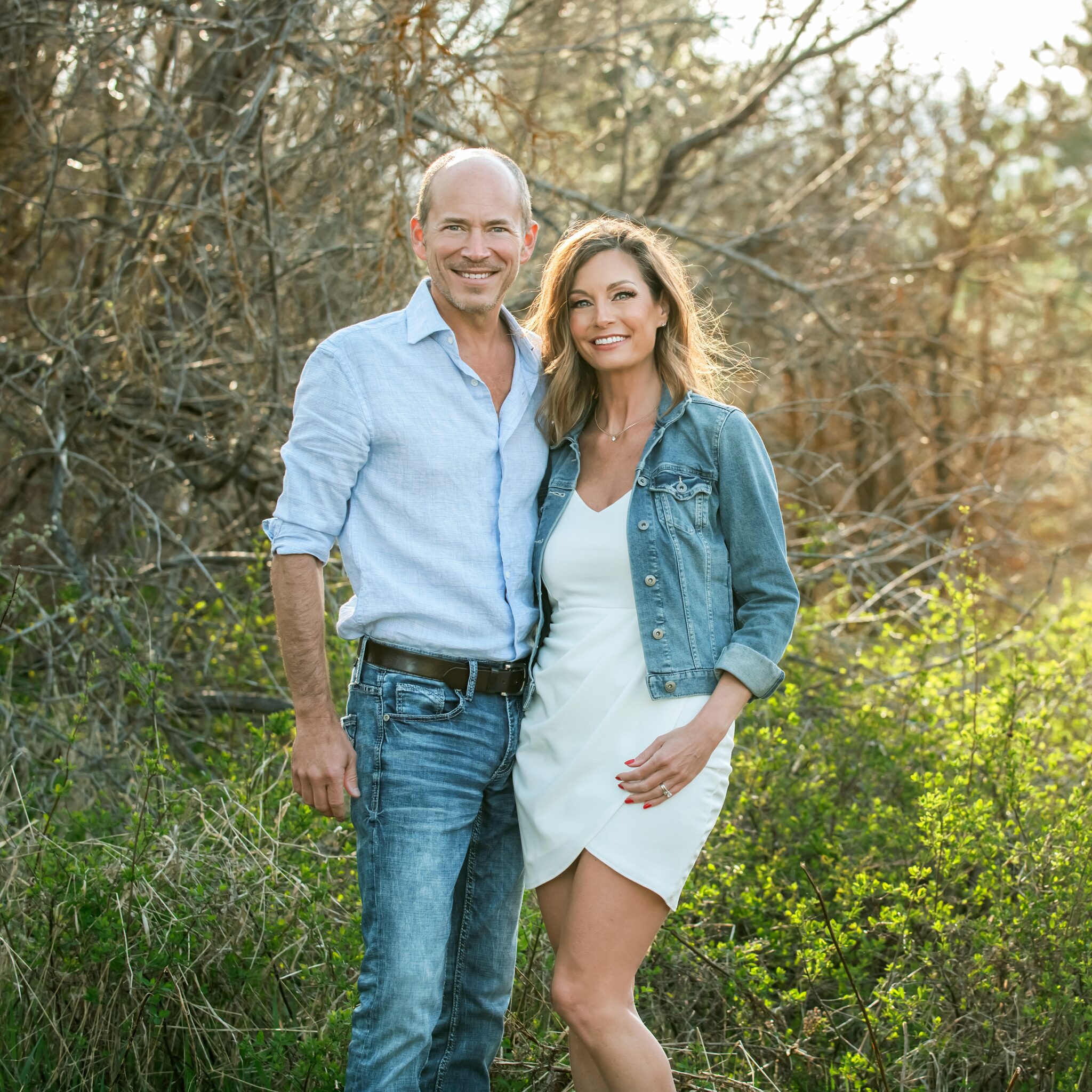
An interview with Donna Parkhurst: Finding Joy, Purpose, and Voice After a Parkinson’s Diagnosis.
Biography
I am a wellness and clean-living advocate, a midlife women’s health coach, and a long-time leader in the clean beauty industry. For over a decade, I’ve helped women make healthier choices for their bodies and homes. I am also a wife, mom, woman of faith, and someone who deeply values living vibrantly in midlife and beyond. Additionally, I work a corporate job in project management.
In late 2025, my life took an unexpected turn when I was diagnosed with Parkinson’s disease. That diagnosis didn’t take away who I am, but what it did do is clarify and refine my purpose even more. So now, above all, I am an advocate, ambassador and voice for people living with Parkinson’s disease and for those who care for us.
Can you tell me more about your Advocacy?
I am newly stepping into advocacy after becoming a Parkinson’s Foundation Ambassador and now beginning advanced training. My advocacy centers around education, encouragement, and helping people understand that Parkinson’s is not just a late-stage, visible disease. Many of us look “fine” while navigating very real symptoms. There is so much stigma and misunderstanding surrounding this diagnosis and I am here to help knock down the walls.
I use my platforms and my voice to share what early Parkinson’s can look like, reduce fear, and help others feel less alone.
What is your passion and how did you get involved in Parkinson’s awareness and hope for a cure?
My passion has always been helping women thrive in their health with low-tox living. After my diagnosis, I realized I could either quietly manage this or use it for good. I chose to use it for good. I want people to understand Parkinson’s earlier, recognize symptoms sooner, and feel empowered instead of afraid. And I want to be part of the collective voice calling for research, funding, and ultimately a cure.
My mom died from complications of progressive and aggressive Parkinson’s in 2018. She was diagnosed in her 60s and died at age 72 with it. She was my very best friend and a beautiful mother to me! My heart was broken. When I was diagnosed at age 51 (obviously having had symptoms for a couple years that I didn’t want to acknowledge), I decided it was time to fight back and it sparked a fire in me that I didn’t know existed. I have 3 adult children and I will fight with my last breath to find a cure in my lifetime, for me and for them, and for all of us living with Parkinson’s. I believe there is hope. We just need people with the power to make changes and be willing to listen to us.
What type of goals do individuals with Parkinson’s have when seeing your Advocacy?
This is such a great question.
The people with Parkinson’s I have been connecting with lately often tell me they feel:
- Less alone
- Less confused about symptoms
- More hopeful about their future
- More empowered to take action with exercise, mindset, and treatment
My goal is that they walk away believing that they can still live a full and joy-filled life to the best of their ability.
What type of training and how long are the programs?
Well, I am just getting started, but I’ll tell you what I’ve been involved with so far.
I recently completed the Parkinson’s Foundation Ambassador training, which is a structured advocacy and education program designed to equip advocates to speak, educate, and support the Parkinson’s community. I am also currently in advanced training to deepen my knowledge so I can serve this community with accuracy and compassion.
I am currently researching for other ways to equip myself to serve my community and beyond. Stay tuned!
What effect can your Advocacy have on an individual with Parkinson’s?
My hope and prayer is that my advocacy will help normalize what they’re experiencing. To remove shame, fear, and isolation. My advocacy is designed to provide practical tools and emotional hope. And it shows that Parkinson’s does not have to steal your identity or joy.
What would you like to see as a future goal for your Advocacy?
Ohhhh, I would love to be involved in the following:
- Speak at events and support groups
- Help newly diagnosed individuals navigate the emotional side of this diagnosis
- Bridge wellness, lifestyle, and Parkinson’s education together
- Be part of larger awareness and fundraising initiatives for research
What events do you participate in?
Currently (and remember, I’m just getting started as we all need to start somewhere), I participate in Parkinson’s awareness initiatives, online education, advocacy training, and am getting involved in community outreach. I plan to become more involved in local walks, events, and speaking opportunities as my advocacy grows.
How does this also assist the caregivers?
Caregivers often feel invisible. I was one when I cared for my mom, so I have experienced both sides of this disease. I felt alone and not equipped. It was definitely a lonely place to be. When they hear someone openly explain symptoms and emotions, it helps them understand what their loved one may not be able to articulate. It is difficult sometimes to put our thoughts and emotions into words, even on a good day! It gives them empathy, clarity, and tools to better support.
How can someone get in touch? What is your website?
I have many ways to get in touch with me. 😊 This is my purpose!
People can reach me through my social media platforms where I share regularly about Parkinson’s awareness and holistic wellness. They can email me at donnaparkhurst@mac.com. I also have a website that is under construction as we speak, but that should be ready to share shortly!
Facebook: Facebook (donnaparkhurst)
IG: @donnaparkhurst
Tiktok: @thedonnaparkhurst
How can others also become advocates for awareness?
Start by learning. Follow reputable organizations. Share accurate information. Support fundraising efforts. Most importantly, please listen to people living with Parkinson’s and amplify their voices.
In your opinion, what is the key to effective advocacy?
Honesty, education, and heart. People connect to real stories more than statistics (even though those are important too!).
How can we better fundraise to support a cure for Parkinson’s?
People connect with others through storytelling. So, I would say make it personal. When people hear real stories from real families, they understand why research funding matters and are more compelled to give and participate.
What other activities do you undertake to help improve and support your daily living Eg exercise and alternative remedies?
I am trying to really prioritize daily movement like walking, strength training, boxing-style coordination work, and brain work to keep cognitive functioning strong. I focus on clean nutrition, quality sleep, stress reduction, and mindset work. These things don’t cure Parkinson’s, but they absolutely improve quality of life. I will emphasize that I protect my sleep like nothing else, because that is where healing occurs from the stressors of the day and affects so much of our system. Without proper sleep, it is more difficult to do all the other things that support my body every day.
Why should people who don’t have Parkinson’s care about this?
Because Parkinson’s affects families, not just individuals, and numbers of people diagnosed are rising at an alarming rate. Awareness leads to earlier diagnosis, better support, and faster progress toward a cure. You never know when your life may be touched by Parkinson’s. Nobody is immune from this disease.
Have you had any family members or relatives affected by Parkinson’s disease?
Yes! My mother, as well as her brother had Parkinson’s. While my genetic testing was negative, the family history makes this deeply personal for me.
If you had one song that would tell us more about you or represent your life, which song would it be?
This is my Fight Song by Rachel Platten.
If you had one final statement or quote you could leave for the Parkinson’s community, what would it be?
Parkinson’s may change parts of my life, but it will never take my joy, my purpose, or my voice
___________________________________________________
TogetherForSharon® In memory of my mother, Sharon to voice awareness & hope for a Parkinson’s Disease cure. Sharon’s Son, George
Support https://www.togetherforsharon.com/shop/
Would you like to share your journey! Reach out and together our Voices are so much STRONGER!