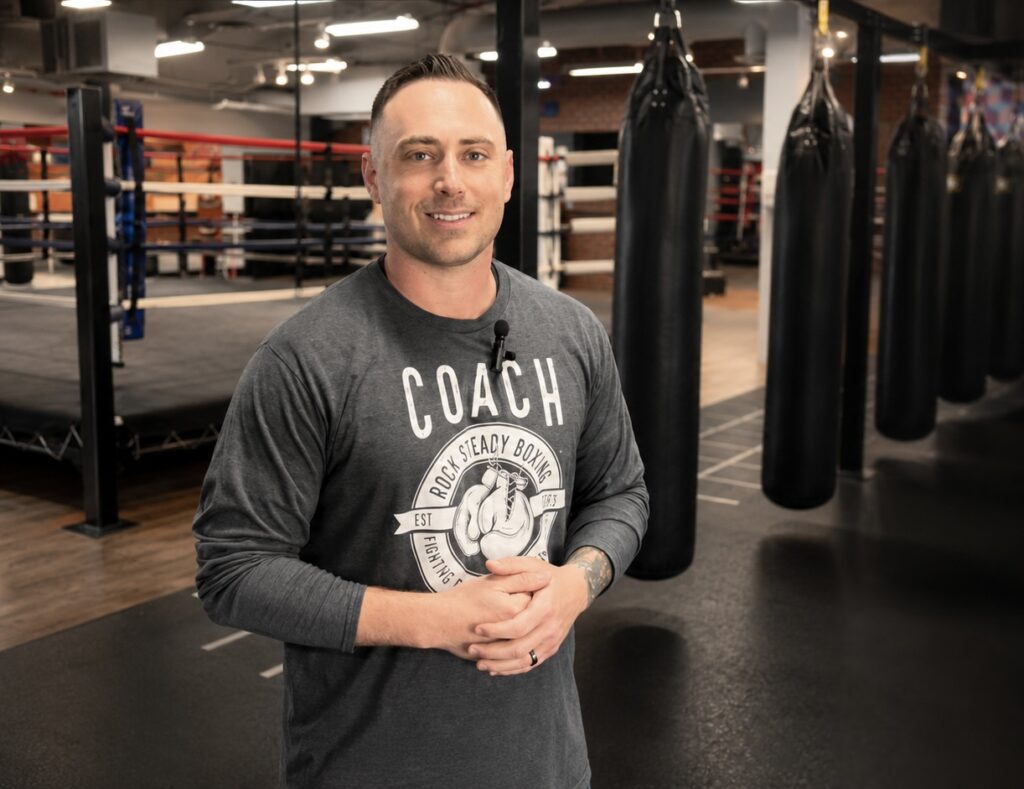
An interview with Dean Moskowitz, Movement Is Medicine: Boxing, Community, and Hope for the Parkinson’s Community
Biography
I am the founder of Boxing For Balance, a Parkinson’s-focused boxing and movement program in Southern California. My background is in fitness and coaching, and I have dedicated my work to helping people with Parkinson’s stay active, connected, confident, and engaged in their lives.
Please tell me a little about your background.
I have spent years working in fitness and movement, and I became especially passionate about creating an exercise environment where people with Parkinson’s could feel capable rather than limited by their diagnosis. That led me to build Boxing For Balance, which now serves people both in person and online.
Can you tell me more about your Advocacy?
My advocacy is centered on awareness, movement, community, and hope. I want people with Parkinson’s and their families to know that exercise can be an important part of living well with Parkinson’s, while also creating a community where people feel seen, supported, and motivated.
What is your passion and how did you get involved in Parkinson’s awareness and hope for a cure?
My passion is helping people move and helping them believe they can continue to improve their quality of life. Through working with the Parkinson’s community, I saw how powerful exercise and connection can be, and that motivated me to become more involved in awareness and advocacy for better treatments and, ultimately, a cure.
What type of goals does individuals with Parkinson’s have when working with you?
Goals vary from person to person, but they often include improving balance, coordination, strength, mobility, endurance, confidence, and overall fitness. Just as importantly, many people want to stay independent, keep doing the activities they love, and feel like they are actively fighting back against Parkinson’s.
What type of training and how long are the programs?
Our training combines boxing-inspired movements, balance work, coordination, strength, cardiovascular exercise, and functional movement, with modifications for different abilities. We offer ongoing in-person classes as well as online workouts and live Zoom coaching, so people can participate consistently and at a level that works for them.
What effect can your Advocacy have on an individual with Parkinson’s?
I believe advocacy can change the way someone sees their diagnosis—from feeling defined by Parkinson’s to feeling empowered to take action. Exercise can help people feel stronger and more confident, while community gives them encouragement, accountability, and a place where they do not have to face Parkinson’s alone.
What would you like to see as a future goal for your Advocacy?
I would love to see Parkinson’s exercise and movement become a normal, accessible part of care for every person who wants it. I also want to continue growing awareness so that people are diagnosed with Parkinson’s and immediately know there is a community, resources, and meaningful action they can take.
What events do you participate in?
We participate in Parkinson’s awareness and community events, connect with Parkinson’s organizations, and support opportunities that bring people together around exercise and awareness. We also use our classes, online community, educational resources, and social media to keep the conversation going throughout the year.
How does this also assist the caregivers?
When a person with Parkinson’s becomes stronger, more confident, and more connected, that can positively affect the entire family. We also give caregivers peace of mind by providing a supportive community where their loved one can exercise, socialize, and feel understood.
How can someone get in touch? What is your website?
People can learn more about Boxing For Balance at BoxingForBalance.net They can also reach out through the website to learn about our in-person locations, online programs, and Parkinson’s-focused resources.
How can others also become advocates for awareness?
You do not have to be a medical professional or have Parkinson’s yourself to be an advocate. Learn about the disease, share accurate information, support someone living with Parkinson’s, participate in awareness events, encourage movement and community, and help amplify the voices of people affected by the disease.
What do you want people newly diagnosed with Parkinson’s to know?
A diagnosis does not mean you stop living, moving, or pursuing the things that matter to you—you can take action, build a support system, and continue looking for ways to thrive.
In your opinion what is the key to effective advocacy?
Consistency and authenticity. Effective advocacy is not just talking about Parkinson’s; it is showing up, educating people, building community, listening to those affected, and turning awareness into meaningful action.
How can we better fundraise to support a cure for Parkinson’s?
We need to make fundraising personal and community-driven, while showing people exactly what their support can accomplish. Events that combine movement, education, storytelling, and community can make people feel connected to the cause rather than simply asking them to write a check.
What other activities do you undertake to help improve and support your daily living Eg exercise and alternative remedies?
I believe in staying active and making movement part of everyday life. Walking, strength training, mobility work, cardiovascular exercise, healthy habits, and maintaining strong social connections are all important pieces of supporting overall health and quality of life.
Why should people who don’t have Parkinson’s care about this?
Parkinson’s can affect anyone and it impacts entire families and communities, not just the person diagnosed. Even if Parkinson’s is not part of your life today, supporting awareness, research, and better care helps create a future where everyone affected has more options and hope.
Have you had any family members or relatives affected by Parkinson’s disease?
I have not personally had a close family member affected by Parkinson’s, but working closely with people living with Parkinson’s and their families has given me a deep appreciation for how much this disease affects an entire family. Their experiences are a major reason I care so strongly about this community.
If you had one song that would tell us more about you or represent your life, which song would it be?
“Don’t Stop Believin’” by Journey. The message fits how I approach both life and Parkinson’s advocacy: keep moving forward, keep believing in what is possible, and never give up hope.
If you had one final statement or quote you could leave for the Parkinson’s community, what would it be?
Movement is medicine, and community is medicine. Parkinson’s may be part of your story, but it does not have to define your story—keep moving, keep connecting, keep believing in what is possible, and remember that you do not have to fight this alone.
TogetherForSharon® In memory of my mother, Sharon to voice awareness & hope for a Parkinson’s Disease cure. Sharon’s Son, George
Support https://www.togetherforsharon.com/shop/
Would you like to share your journey! Reach out and together our Voices are so much STRONGER!