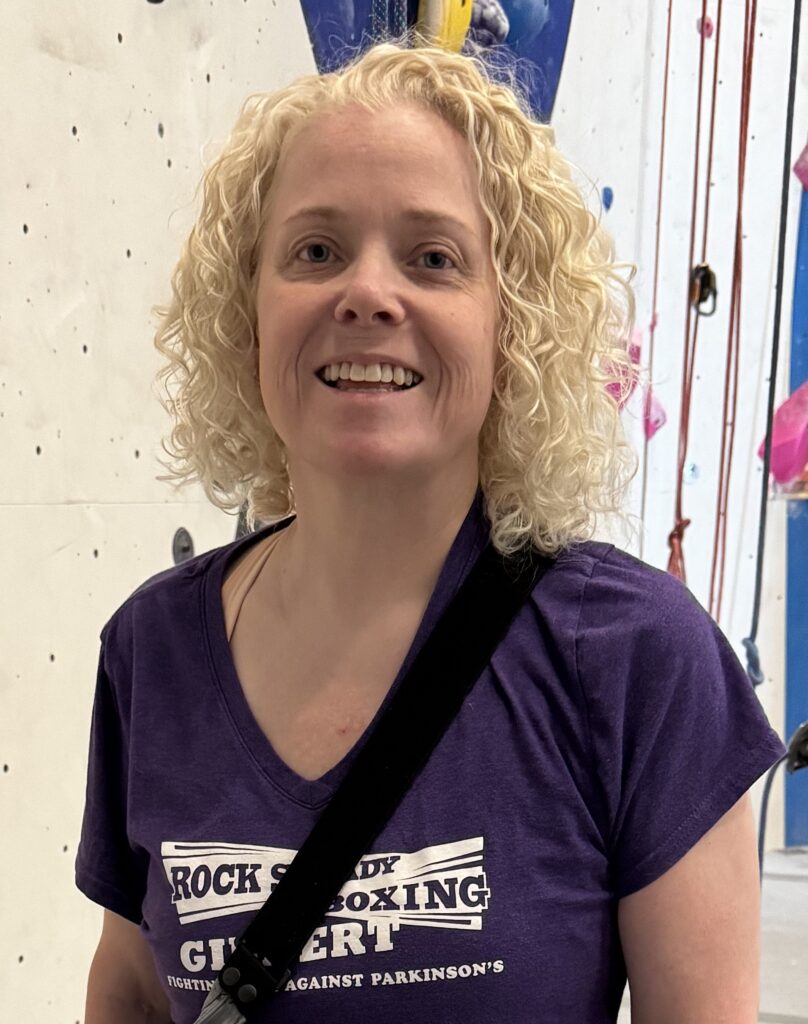
An interview with Jen Zupon, Turning Parkinson’s Into Purpose
Biography
Jen Zupon is a Young-Onset Parkinson’s advocate who uses her personal experience to educate, empower, and support others living with Parkinson’s and their families. She works to amplify the patient voice, raise awareness, support research, and inspire hope for better treatments and ultimately a cure.
Please tell me a little about your background.
Diagnosed with young-onset Parkinson’s at age 48, I quickly realized my journey would be about more than managing symptoms, it would be about using my voice to make a difference. I am committed to empowering others with Parkinson’s to become informed, engaged, and confident advocates for themselves and the Parkinson’s community.
Can you tell me more about your Advocacy?
My advocacy focuses on educating and empowering people living with Parkinson’s, particularly those with young-onset Parkinson’s, while helping them navigate their journey. Through volunteering, mentorship, education, and community involvement, I use my experience to raise awareness, amplify the voice of those with Parkinson’s, and help others feel less alone.
What is your passion and how did you get involved in Parkinson’s awareness and hope for a cure?
My passion is helping people with Parkinson’s feel informed, empowered, and supported, especially those who are newly diagnosed. I’ve turned my own experience with young-onset Parkinson’s into a purpose of educating, connecting, and advocating for others.
I became involved in Parkinson’s awareness through volunteering, mentorship, education, and advocacy, using my personal experience to help others navigate life with Parkinson’s. My goal is to raise awareness, amplify the patient voice, support research, and help move us closer to better treatments and ultimately a cure.
What type of goals does individuals with Parkinson’s have when working with you?
I became involved through volunteering, mentorship, education, and advocacy, using my experience to support and empower others with Parkinson’s. I’m committed to raising awareness, supporting research, and helping move us closer to a cure.
What type of training and how long are the programs?
Training varies by program and may include newly diagnosed education, peer mentorship, advocacy, and exercise/wellness education. Programs can range from a few sessions to several months, while peer mentorship is often an ongoing relationship with training focused on communication, resources, boundaries, and support.
What effect can your Advocacy have on an individual with Parkinson’s?
My advocacy helps people with Parkinson’s feel less alone, more informed, and confident in navigating their journey. I encourage them to find their voice, advocate for themselves, stay hopeful, and continue living a meaningful and purposeful life.
What would you like to see as a future goal for your Advocacy?
My goal is to expand access to education, resources, mentorship, and support for everyone with Parkinson’s, especially those with young-onset Parkinson’s. I hope to strengthen the patient voice, advance research and treatments, and inspire others to turn their experiences into purpose and hope.
What events do you participate in?
I participate in Parkinson’s awareness, advocacy, education, fundraising, and community events, including Moving Day, Parkinson’s Foundation programs, World Parkinson Congress, and Michael J. Fox Foundation events. I also participate in mentorship and outreach activities where I share my experience, connect others with resources, and raise awareness and hope for a cure.
How does this also assist the caregivers?
My advocacy helps caregivers better understand Parkinson’s, access resources, and connect with others who understand their journey. By empowering people with Parkinson’s to be informed and engaged in their care, I also help caregivers feel more confident and supported.
How can someone get in touch? What is your website?
People can connect with me through my social media platforms or through the Parkinson’s organizations and advocacy programs I’m involved with. I’m always happy to connect with others in the Parkinson’s community, share resources, and help people find support.
Instagram: @jenzupon
Facebook: Jen Z’s Parkinson’s Journey-https://www.facebook.com/profile.php?id=100093008043888
I welcome the opportunity to connect with others in the Parkinson’s community, share information and resources, and continue raising awareness about Parkinson’s disease and the importance of research toward a cure.
How can others also become advocates for awareness?
Anyone can become an advocate by learning, sharing accurate information, volunteering, supporting research, or participating in awareness and fundraising events. You don’t need to be an expert; your voice and willingness to make a difference can have a meaningful impact.
What do you wish you had known when you were first diagnosed with Parkinson’s?
This can help newly diagnosed individuals and their families understand that they are not alone and that resources, support, and hope are available.
What gives you hope for the future of Parkinson’s?
This provides an opportunity to discuss research, advances in treatment, the strength of the Parkinson’s community, and hope for better treatments and ultimately a cure.
In your opinion what is the key to effective advocacy?
The key to effective advocacy is using your voice with purpose, authenticity, and knowledge. It means sharing your experience, educating others, listening to the community, and turning awareness into action while supporting research and the hope for a cure.
How can we better fundraise to support a cure for Parkinson’s?
We can better fundraise by making it personal, accessible, and focused on the urgency of advancing Parkinson’s research. Sharing the stories of those living with Parkinson’s and showing how donations support research can inspire more people to get involved and help move us closer to a cure.
What other activities do you undertake to help improve and support your daily living Eg exercise and alternative remedies?
Exercise is a key part of managing my Parkinson’s, along with focusing on nutrition, hydration, rest, and staying socially and mentally active. I take a whole-person approach by combining regular exercise with evidence-based treatments and lifestyle strategies developed with my healthcare team.
Why should people who don’t have Parkinson’s care about this?
Parkinson’s affects not only those diagnosed, but also families, caregivers, workplaces, and communities, and it can affect people at any age. Raising awareness and supporting research helps create a future with better treatments and, ultimately, a cure; until then, any of us could become part of the Parkinson’s community.
Have you had any family members or relatives affected by Parkinson’s disease?
No, I have no known family history of Parkinson’s. My unexpected diagnosis reinforced the importance of raising awareness that Parkinson’s can affect anyone, even without a known family history.
If you had one song that would tell us more about you or represent your life, which song would it be?
“Rise Up” — Andra Day
This song represents my journey of turning a Parkinson’s diagnosis into purpose, advocacy, and hope. It reflects my commitment to finding my voice, supporting others, and continuing to move forward despite challenges.
If you had one final statement or quote you could leave for the Parkinson’s community, what would it be?
“Parkinson’s may be part of our story, but it does not have to define our story. Find your voice, advocate for yourself and others, stay connected, keep moving forward, and never give up hope. Together, our voices are powerful—and together, we can change the future of Parkinson’s and get closer to a cure.”
TogetherForSharon® In memory of my mother, Sharon to voice awareness & hope for a Parkinson’s Disease cure. Sharon’s Son, George
Support https://www.togetherforsharon.com/shop/
Would you like to share your journey! Reach out and together our Voices are so much STRONGER!