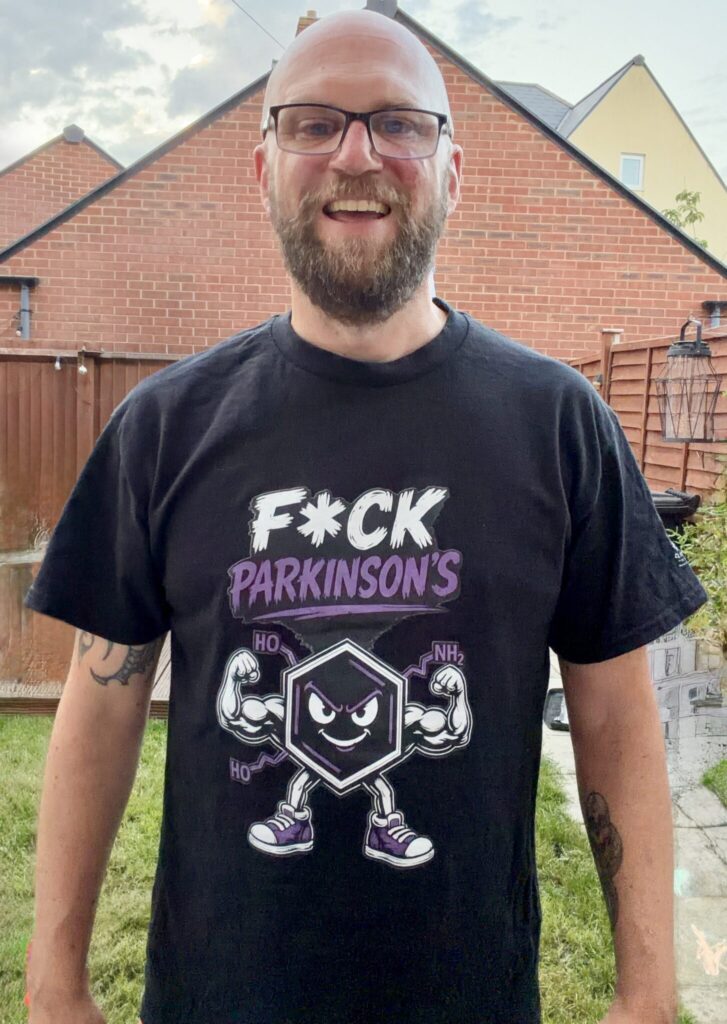
An interview with Jonny Trumble, From Patient to Practitioner: Turning a Parkinson’s Diagnosis into Purpose
Biography
I’m an Advanced Practice Physiotherapist in the NHS in the United Kingdom with over 25 years of experience specializing in musculoskeletal care. In 2026, I was diagnosed with young-onset Parkinsonism, giving me the unique perspective of supporting people with neurological conditions while learning to navigate the condition myself.
Please tell me a little about your background.
I’ve spent my career helping people regain movement and independence through evidence-based rehabilitation. My own diagnosis has strengthened my commitment to combining clinical expertise with lived experience to help others facing Parkinson’s.
Can you tell me more about your Advocacy?
My advocacy focuses on translating complex Parkinson’s research into clear, practical information that people can use in their daily lives. I aim to empower people with evidence rather than misinformation, while encouraging hope grounded in science.
What is your passion and how did you get involved in Parkinson’s awareness and hope for a cure?
After experiencing the uncertainty of developing Parkinsonism myself, I realized how overwhelming the amount of conflicting information can be. That inspired me to use my clinical background to raise awareness, promote evidence-based rehabilitation, and support ongoing research into better treatments and ultimately a cure.
What type of goals does individuals with Parkinson’s have when seeing your Advocacy?
Most people want reliable information, practical strategies to maintain independence, and reassurance that there are positive steps they can take. I hope they leave feeling informed, motivated and less alone.
What type of training and how long are the programs?
I provide educational content based on current research and my clinical experience. My focus is on helping people understand exercise, rehabilitation, lifestyle factors and the evidence behind them so they can make informed decisions.
What effect can your Advocacy have on an individual with Parkinson’s?
If I can replace fear with understanding, then I’ve achieved something meaningful. Even small improvements in confidence, knowledge and motivation can have a lasting impact on someone’s quality of life.
What would you like to see as a future goal for your Advocacy?
I would like to build a trusted platform that bridges the gap between research and everyday life with Parkinson’s. I also hope to collaborate with researchers and clinicians to improve access to evidence-based education worldwide.
What events do you participate in?
I attend professional conferences, educational meetings and Parkinson’s awareness initiatives while sharing research and lived experiences through social media and interviews. I hope to become increasingly involved in fundraising and community events as my advocacy grows.
How does this also assist the caregivers?
Educated caregivers often feel more confident supporting their loved ones. By understanding the condition and the evidence behind rehabilitation, they can become valuable partners throughout the Parkinson’s journey.
How can someone get in touch? What is your website?
People can currently connect with me through my social media channels where I regularly share educational content and research updates. My long-term goal is to develop a dedicated website focused on evidence-based Parkinson’s education.
Instagram: @clinicianinmotion
How can others also become advocates for awareness?
You don’t need to be a healthcare professional to make a difference. Sharing accurate information, supporting fundraising, participating in research and simply talking openly about Parkinson’s all help raise awareness.
What is one thing people with Parkinson’s can start doing today that is supported by evidence?
I think helping people focus on practical actions is just as important as discussing the diagnosis itself.
In your opinion, what is the key to effective advocacy?
Authenticity, compassion and credibility. Listening to people with lived experience while staying committed to the best available evidence creates advocacy that people can trust.
How can we better fundraise to support a cure for Parkinson’s?
By increasing public awareness, building partnerships with communities and businesses, and helping people understand that Parkinson’s affects far more than tremor. Every donation and every conversation can contribute towards future breakthroughs.
What other activities do you undertake to help improve and support your daily living eg exercise and alternative remedies?
Exercise is my cornerstone, combining strength training, cardiovascular fitness and mobility work. I also prioritize good sleep, nutrition, stress management and staying mentally active, while being cautious about treatments that lack strong scientific evidence.
Why should people who don’t have Parkinson’s care about this?
Parkinson’s affects millions of families, not just the individual diagnosed. Supporting research today could improve countless lives tomorrow and may also provide insights into other neurological conditions.
Have you had any family members or relatives affected by Parkinson’s disease?
No close family members have been diagnosed with Parkinson’s, making my own diagnosis unexpected. That experience has reinforced how important awareness and early recognition can be.
If you had one song that would tell us more about you or represent your life, which song would it be?
‘The Pretender’ by Foo Fighters. It reminds me to keep moving forward, challenge limitations and never let Parkinson’s define who I am.
If you had one final statement or quote you could leave for the Parkinson’s community, what would it be?
A diagnosis changes your path, but it doesn’t have to define your destination. Keep moving, keep learning, and never lose hope—because every step forward matters.
Is there someone you know that would also like to share their journey or advocacy? What is their name, website, and email?
I would be happy to recommend advocates and researchers within the Parkinson’s community if required, depending on the focus of the interview.
What are your social media tags so I can tag you once published?
Instagram: @clinicianinmotion
__________________________________________________________
TogetherForSharon® In memory of my mother, Sharon to voice awareness & hope for a Parkinson’s Disease cure. Sharon’s Son, George
Support https://www.togetherforsharon.com/shop/
Would you like to share your journey! Reach out and together our Voices are so much STRONGER!