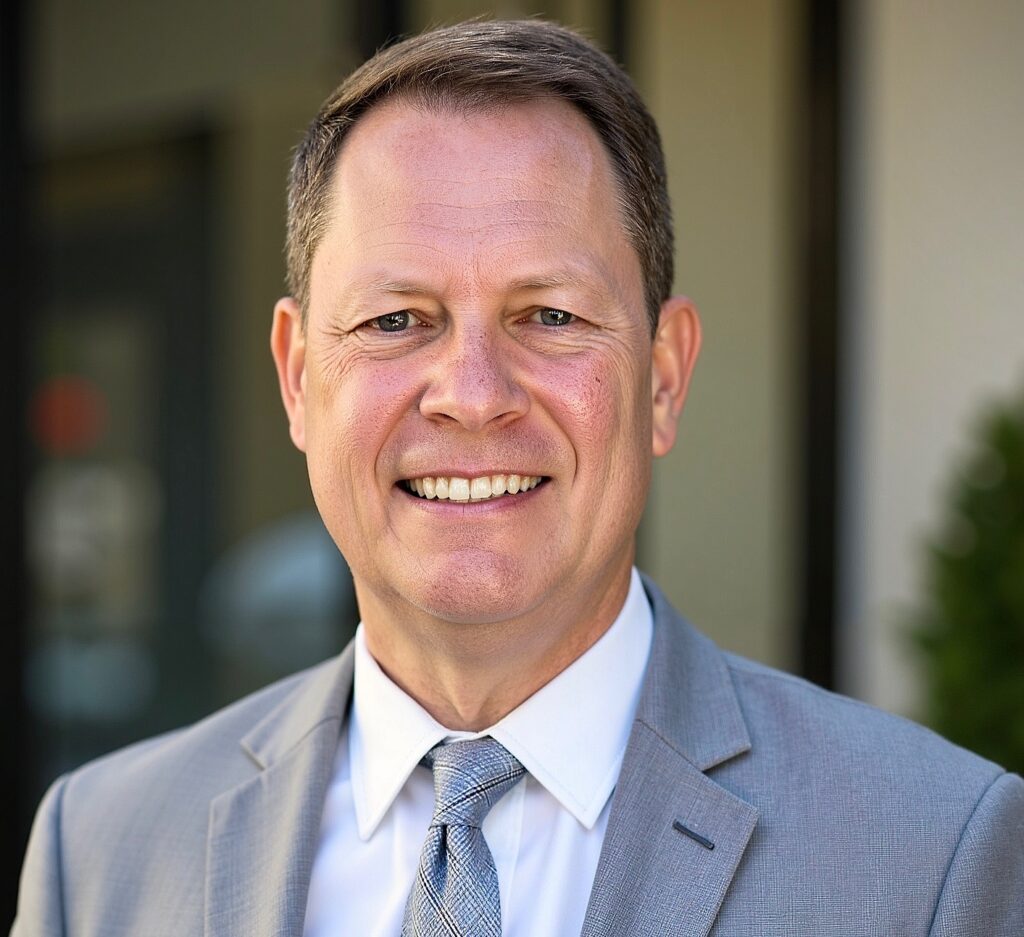
An interview with Ken Chason, Still Running: A Conversation on Parkinson’s, Purpose, and Advocacy
Biography
I’m a recently retired federal attorney and senior executive. My career started in private law practice in Georgia, but after a year, I wanted to be part of something bigger, so I joined the Army and spent nearly six years on active duty as a military lawyer. I eventually moved from the Army to the federal civilian sector – where I spent the remainder of my career.
In April 2023, I was diagnosed with Parkinson’s disease after several years of symptoms that didn’t quite add up. These days, I’m focused on what I call my “Second Act”—writing, advocacy, and finding ways to stay engaged, including serving on the Parkinson’s Foundation’s People with Parkinson’s Advisory Council.
Please tell me a little about your background.
Advocacy in Parkinson’s really comes down to connecting lived experience to action.
That includes sharing our stories so people—including policymakers—understand what this disease looks like day to day, and why it deserves attention. It also means requesting support for policies that improve access to care, expand research, and move us closer to better treatments—and ultimately a cure.
But advocacy isn’t just about interacting directly with policymakers. It also happens in local communities through education, conversation, and helping people understand that Parkinson’s is far more than a tremor or shuffling gait (as people often think of it).
Educating people about Parkinson’s lays the foundation for meaningful policy action. The more people understand the disease, the more momentum we build for better care, stronger research, and real change.
I’m happy to be part of a chorus of people who are working toward these ends.
What is your passion and how did you get involved in Parkinson’s awareness and hope for a cure?
After my diagnosis, and as I learned more about Parkinson’s, I realized how much misunderstanding surrounds it—and how many gaps remain in care and research. That realization pulled me into advocacy.
My passion is helping people understand the full picture of Parkinson’s—and making sure the voices of those living with it are part of shaping solutions.
What type of goals does individuals with Parkinson’s have when working with you?
Most people with Parkinson’s want better access to specialized care, more effective treatments, and faster progress toward understanding causes, prevention, and ultimately a cure. Policy solutions include sustained government investment in Parkinson’s research and action on substances like paraquat that are known to increase the risk of developing Parkinson’s.
What effect can your Advocacy have on an individual with Parkinson’s?
On a personal level, it offers you a chance to be part of a larger effort to better the lives of those affected by Parkinson’s. That alone is rewarding.
What would you like to see as a future goal for your Advocacy?
I’d like to see more integrated care, stronger attention to Parkinson’s and mental health, increased research funding, and real momentum toward prevention and disease-modifying therapies.
What events do you participate in?
I participated in the recent policy forum, visits with legislative offices, community education events, and written outreach to legislators to support policy-based action.
How does this also assist the caregivers?
Caregivers are part of the journey. Advocacy helps bring visibility to their role and push for better support systems.
How can someone get in touch? What is your website?
Substack: https://substack.com/@kenchason
How can others also become advocates for awareness?
Start by sharing your story if you’re comfortable, spreading the word about PD, and engaging with organizations like the Parkinson’s Foundation, which can offer more information about how to become a Parkinson’s advocate.
What do people misunderstand about Parkinson’s? What part is hardest that others don’t see?
People think PD is basically involving a tremor and/or slow movement. Folks I’ve encountered often have little understanding about the non-movement aspects of the disease like anxiety, depression, apathy, cognitive strain, sleep disruption, fatigue, and constipation.
In your opinion what is the key to effective advocacy?
Make it personal—combine story with the facts and data about PD. I’ve found this to be very powerful.
How can we better fundraise to support a cure for Parkinson’s?
Broaden awareness, connect to outcomes, and engage new audiences.
What other activities do you undertake to help improve and support your daily living Eg exercise and alternative remedies?
Exercise, reducing stress, finding something that you enjoy doing (for me, that’s reading and living more intentionally. I enjoy running and taking long walks.
Why should people who don’t have Parkinson’s care about this?
Because Parkinson’s affects millions and has broad societal impact.
Have you had any family members or relatives affected by Parkinson’s disease?
No family history.
If you had one song that would tell us more about you or represent your life, which song would it be?
“Running on Empty” – Jackson Browne
If you had one final statement or quote you could leave for the Parkinson’s community, what would it be?
The dopamine tank may be running on empty (or close to it) but I’m still running.
_____________________________________________________
TogetherForSharon® In memory of my mother, Sharon to voice awareness & hope for a Parkinson’s Disease cure. Sharon’s Son, George
Support https://www.togetherforsharon.com/shop/
Would you like to share your journey! Reach out and together our Voices are so much STRONGER!