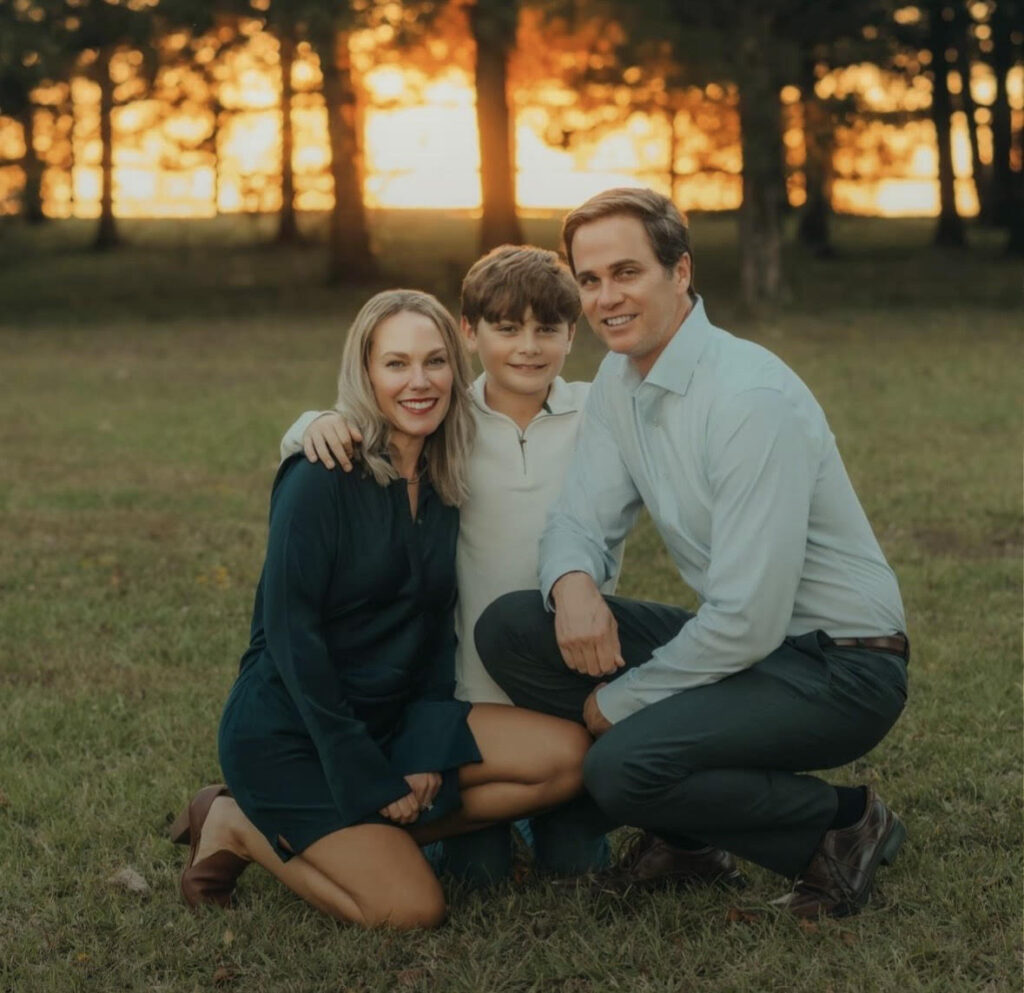
An interview with Wendy Trotter: From Personal Experience to Purpose: Building Hope in the Parkinson’s Community.
Biography
My name is Wendy Taylor, AGPC-NP, and I am an Adult-Gerontology Primary Care Nurse Practitioner specializing in movement disorders and Parkinson’s disease.
My connection to Parkinson’s disease began long before my medical career. My stepfather was diagnosed with Parkinson’s disease at just 40 years old, which exposed me to the realities of the disease when I was around 14 years old. Watching someone I loved navigate Parkinson’s at such a young age had a profound impact on me.
In addition to my stepfather, I have two other family members who have been diagnosed with Parkinson’s disease, which further deepened my understanding of how this disease affects individuals and families.
Those experiences helped shape my path into healthcare and ultimately into movement disorders and Parkinson’s advocacy. Today, I dedicate my career to caring for individuals with Parkinson’s disease and working to improve education, support, and resources in our community.
I also coordinate the Northwest Louisiana Parkinson’s Resource, a community initiative focused on education, support, and advocacy for individuals living with Parkinson’s and their caregivers.
Can you tell me more about your Advocacy?
My advocacy focuses on education, support, and community awareness for individuals living with Parkinson’s disease. Through the Northwest Louisiana Parkinson’s Resource, we provide educational meetings, resources, and connections for patients and caregivers. Our goal is to ensure no one in our community faces Parkinson’s alone.
What is your passion and how did you get involved in Parkinson’s awareness and hope for a cure?
My passion comes from both personal experience and caring for patients with Parkinson’s disease. Watching my stepfather face Parkinson’s at a young age showed me how deeply the disease affects families. That experience ultimately guided my career and continues to fuel my advocacy efforts.
What type of goals do individuals with Parkinson’s have when working with you?
Most individuals want to maintain independence, mobility, and quality of life for as long as possible. They often want to better understand their disease, treatment options, and ways to stay active. Connecting with a supportive community is also a common goal.
What type of training and how long are the programs?
Our programs are primarily ongoing educational and support opportunities rather than fixed training programs. We host monthly meetings, guest speakers, and community education events throughout the year. These programs help individuals and caregivers stay informed as Parkinson’s care continues to evolve.
What effect can your Advocacy have on an individual with Parkinson’s?
Advocacy provides education, empowerment, and connection. Many individuals feel less isolated once they realize there is a supportive community available to them. Knowledge and support can significantly improve confidence and quality of life.
What would you like to see as a future goal for your Advocacy?
I would like to see expanded Parkinson’s resources and awareness across Northwest Louisiana. Increasing access to education, clinical trials, and caregiver support is very important to me. Ultimately, I hope our efforts contribute to improved treatments and a cure.
What events do you participate in?
I participate in Parkinson’s Foundation Moving Day, community education events, and monthly support meetings. These events help raise awareness while bringing people together who are impacted by Parkinson’s disease. They also provide opportunities for education and advocacy within the community.
How does this also assist the caregivers?
Caregivers often need just as much support as the individuals living with Parkinson’s. Our programs provide education, coping strategies, and opportunities to connect with other caregivers. This support helps them feel less isolated and better prepared to care for their loved ones.
How can someone get in touch? What is your website?
Individuals can connect through the Northwest Louisiana Parkinson’s Resource community platforms and local events. We regularly share information about meetings, education programs, and resources. These channels help individuals stay connected and informed.
Northwest Louisiana Parkinson’s Resource
Wendy Trotter-Taylor (fb)
How can others also become advocates for awareness?
Advocacy can start with simply sharing information and supporting those affected by Parkinson’s. People can participate in awareness events, support research initiatives, and help educate others about the disease. Every voice helps increase awareness and support progress toward a cure.
In your opinion what is the key to effective advocacy?
The key to effective advocacy is authentic passion supported by education. When people understand the real impact Parkinson’s has on families, they become motivated to support change. Personal stories combined with knowledge can inspire powerful action.
How can we better fundraise to support a cure for Parkinson’s?
Successful fundraising often comes from community engagement and personal connection to the cause. Events, storytelling, and partnerships with local businesses can help increase participation. When communities understand the urgency of Parkinson’s research, they are more likely to support it.
What other activities do you undertake to help improve and support your daily living (exercise and alternative remedies)?
Exercise plays a critical role in managing Parkinson’s disease and maintaining mobility. Activities like walking, strength training, and balance exercises can significantly improve quality of life. I also encourage staying mentally and socially active as part of overall wellness.
Why should people who don’t have Parkinson’s care about this?
Parkinson’s disease is one of the fastest growing neurological disorders in the world. Most people will eventually know someone affected by Parkinson’s. Supporting awareness and research helps improve treatments and ultimately brings us closer to a cure.
Have you had any family members or relatives affected by Parkinson’s disease?
Yes, Parkinson’s has affected my family personally. My stepfather was diagnosed at age 40, which exposed me to the disease when I was around 14 years old. I also have two additional family members who have Parkinson’s disease.
If you had one song that would tell us more about you or represent your life, which song would it be?
“Fight Song” by Rachel Platten.
The message of resilience and perseverance resonates deeply with my work and advocacy. It reflects the determination of the Parkinson’s community to keep moving forward.
If you had one final statement or quote you could leave for the Parkinson’s community, what would it be?
Parkinson’s disease may change the path, but it does not take away hope. Through education, advocacy, and community support, we can improve lives and move closer to a cure. No one should have to face Parkinson’s alone.
_______________________________________
TogetherForSharon® In memory of my mother, Sharon to voice awareness & hope for a Parkinson’s Disease cure. Sharon’s Son, George
Support https://www.togetherforsharon.com/shop/
Would you like to share your journey! Reach out and together our Voices are so much STRONGER!