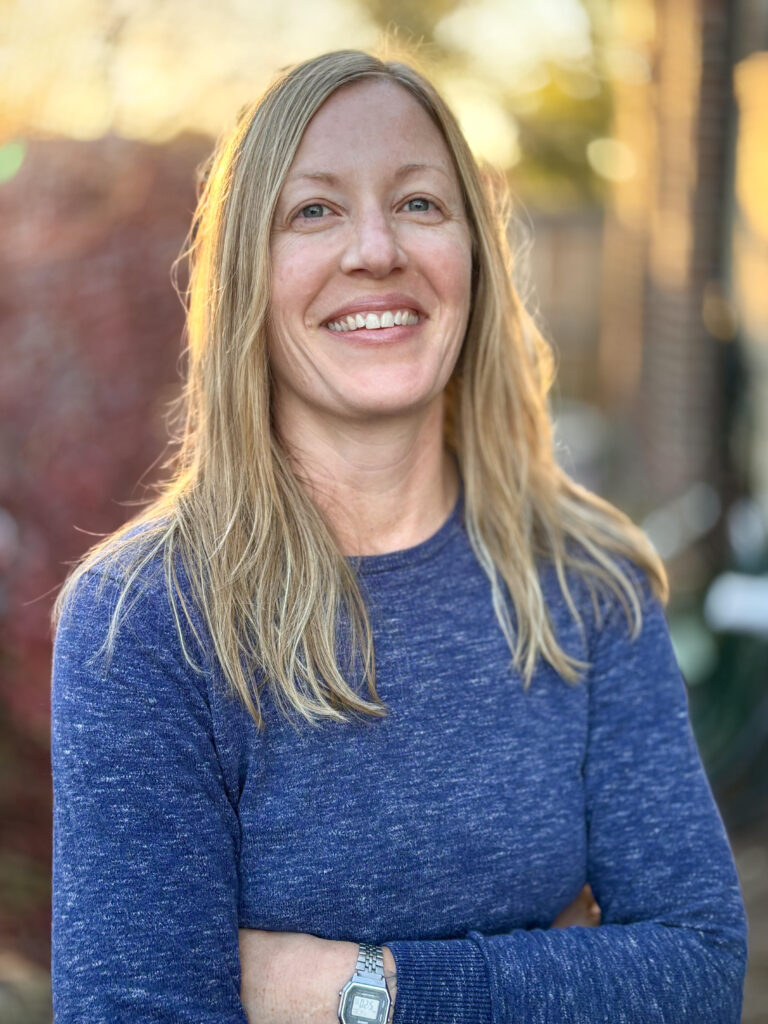
An interview with Erica Brooks: Small Changes Matter: Empowering Everyday Life with Parkinson’s
Biography
I am an occupational therapist, advocate, and the founder of Parkinson’s Pathways, with over 20 years of experience supporting individuals as they navigate changes in daily function.
This work became personal to me through a close family friend, which deepened my understanding of how neurological conditions can impact everyday life over time.
Parkinson’s Pathways was created to offer condition-specific guidance that emphasizes independence, confidence, and practical strategies for daily living.
At its core, the program is about meeting people where they are and supporting quality of life—not just treatment.
Please tell me a little about your background.
Throughout my career as an occupational therapist, I have worked with individuals at many different stages of living with Parkinson’s. Over time, I noticed a consistent gap between diagnosis and the kind of ongoing, practical support people need as symptoms evolve.
Even subtle changes in dexterity, movement, and confidence can begin to affect daily routines long before someone feels they need traditional therapy. Parkinson’s Pathways grew from a desire to address those changes earlier, provide consistent touchpoints over time, and support long-term independence in everyday life.
Can you tell me more about your Advocacy?
My advocacy focuses on helping people feel informed, supported, and empowered as they navigate life with Parkinson’s. I work to increase awareness of how the condition affects everyday routines and independence—not just the medical aspects.
At its core, my advocacy is about encouraging earlier support, reducing isolation, and helping individuals feel confident staying engaged in the activities that matter most to them.
What is your passion and how did you get involved in Parkinson’s awareness and hope for a cure?
My passion is helping people feel supported, understood, and empowered as they live with Parkinson’s. A close family friend played an important role in shaping that passion, giving me insight into how the condition affects daily life and independence over time.
Through my work as an occupational therapist, I’ve seen the importance of awareness, education, and ongoing research. While hope for a cure is essential, I also believe strongly in supporting people in living fully and confidently today.
What type of goals do individuals with Parkinson’s have when seeing your Advocacy?
Individuals with Parkinson’s want to stay independent, maintain daily routines, and feel confident managing changes as they arise. There’s also a strong desire to feel understood, supported, and informed as they plan for the future.
At the heart of these goals is the wish to remain engaged in meaningful activities and to feel empowered rather than defined by the diagnosis.
What type of training and how long are the programs?
The training is grounded in occupational therapy and designed around Parkinson’s-specific needs. Support can range from comprehensive evaluations to short-term workshops or individualized sessions, with an emphasis on everyday tasks, fine motor skills, and practical problem-solving.
What effect can your Advocacy have on an individual with Parkinson’s?
Advocacy can help individuals feel seen, informed, and supported rather than isolated or overwhelmed. It encourages earlier awareness of changes, builds confidence in managing daily life, and helps people feel empowered to seek guidance before challenges become limiting.
Ultimately, effective advocacy supports independence, reinforces quality of life, and reminds individuals that they are not navigating this journey alone.
What would you like to see as a future goal for your Advocacy?
My goal is to see more accessible, Parkinson’s-specific resources available within local communities, so individuals feel supported earlier and more consistently over time. I would like advocacy efforts to continue shifting toward proactive education and guidance, helping people feel informed and empowered as changes arise.
Ultimately, I hope advocacy encourages ongoing support that feels approachable, practical, and woven into everyday life.
What events do you participate in?
I participate in community education efforts, small group workshops, and awareness initiatives both locally and online. My focus is on meaningful engagement rather than large-scale events alone.
How does this also assist the caregivers?
This work helps caregivers feel more informed, supported, and confident in understanding day-to-day changes and how they impact daily routines. It offers practical insight into problem-solving, communication, and planning, which can reduce uncertainty and stress over time.
By providing education and guidance, advocacy also helps caregivers feel less isolated and better equipped to support their loved one while maintaining balance in their own lives.
How can someone get in touch? What is your website?
Individuals can learn more or get in touch through my website.
Website: www.parkinsonspathwaysot.com
Instagram: @parkinsons_pathways_ot
How can others also become advocates for awareness?
Advocacy can begin with listening, learning, and sharing accurate information. Supporting local organizations, raising awareness, and amplifying Parkinson’s voices all contribute to meaningful change.
In your opinion, what is the key to effective advocacy?
The key to effective advocacy is listening first and responding with empathy and accuracy. When advocacy is grounded in real experiences, clear information, and genuine connection, it builds trust and understanding.
At its best, advocacy empowers people, reduces stigma, and creates meaningful change through consistency and compassion.
How can we better fundraise to support a cure for Parkinson’s?
Effective fundraising starts with education, connection, and shared purpose. When people understand the impact of Parkinson’s and feel personally connected to the cause, they are more likely to support research and advocacy efforts.
Supporting reputable organizations, participating in community-based initiatives, and encouraging ongoing rather than one-time giving can help sustain progress toward a cure. Fundraising is strongest when it feels inclusive, transparent, and rooted in collective hope.
What other activities do you undertake to help improve and support your daily living Eg exercise and alternative remedies?
I prioritize movement, balance, stress management, and creative outlets. These practices support resilience, overall health, and long-term well-being.
Why should people who don’t have Parkinson’s care about this?
Parkinson’s affects families, friendships, workplaces, and communities—not just the individual living with the condition. Awareness helps create understanding, reduce stigma, and foster more supportive environments for everyone.
When people care, it strengthens community support, sustains momentum for research, and improves overall quality of life. Advocacy ultimately benefits us all by promoting compassion, inclusion, and shared responsibility.
Have you had any family members or relatives affected by Parkinson’s disease?
Yes, a close family friend was living with Parkinson’s disease, and I had the opportunity to spend time alongside him during his journey. That experience gave me a deeper, more personal understanding of the daily realities of Parkinson’s and further strengthened my commitment to advocacy and care.
If you had one song that would tell us more about you or represent your life, which song would it be?
”Three Little Birds” by Bob Marley, as its message of reassurance and resilience reflects my belief in hope, perspective, and taking life one day at a time.
If you had one final statement or quote you could leave for the Parkinson’s community, what would it be?
Small changes matter.
_____________________________________________________
TogetherForSharon® In memory of my mother, Sharon to voice awareness & hope for a Parkinson’s Disease cure. Sharon’s Son, George