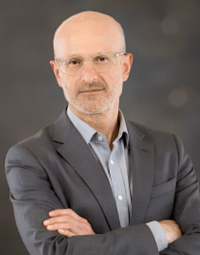
An interview with Shimon Lecht: From Science to Impact: Building Real World Hope for People Living with Parkinson’s
Biography
I am a scientist‑entrepreneur and the founder and CEO of CBX Therapeutics, a biotech company focused on evidence‑based cannabinoid therapies for neurological and aging‑related conditions. My work sits at the intersection of translational R&D and real‑world patient impact.
Please tell me a little about your background.
I have over two decades of experience in drug development and a decade in cannabinoid research, spanning academia, startups, and pre‑clinical and clinical drug development. Over the years, I’ve focused on translating complex science into therapies that are effective, safe, and meaningful for patients.
Can you tell me more about your Advocacy?
My advocacy centers on closing the gap between what science can offer and what people with Parkinson’s actually experience day to day. I work to elevate evidence‑based, patient‑first approaches while amplifying awareness around unmet needs that remain overlooked.
What is your passion and how did you get involved in Parkinson’s awareness and hope for a cure?
My passion comes from seeing how limited current options still are for people living with Parkinson’s, especially when it comes to daily quality of life. That realization pushed me to focus my scientific work on solutions that can provide meaningful relief today while contributing to long‑term progress.
What type of goals do individuals with Parkinson’s have when seeing your Advocacy?
I believe that most people are seeking reliability, dignity, and independence in everyday moments. They want options that are grounded in science, predictable in effect, and respectful of the complexity of living with Parkinson’s.
What type of training and how long are the programs?
Our work is not a training program in the traditional sense, but a structured, data‑driven development process with structured feedback loops. We encourage people with Parkinson’s to engage through guided product use, education, and short surveys that help us learn, improve responsibly, and give back better solutions to the community.
What effect can your Advocacy have on an individual with Parkinson’s?
Advocacy can restore a sense of agency, helping people feel seen, heard, and supported rather than dismissed. Even small improvements in a day to day life, such as steadiness or confidence can have an outsized impact on daily life.
What would you like to see as a future goal for your Advocacy?
I would like to see Parkinson’s care evolve to include validated, non‑binary options that sit between wellness and pharmaceuticals. Long‑term, my goal is to help normalize evidence‑based cannabinoid therapies within mainstream neurological care.
What events do you participate in?
I participate and actively present in scientific conferences, educational webinars, and patient‑focused community events. These settings allow for open dialogue between researchers, clinicians, patients, and caregivers.
How does this also assist the caregivers?
Caregivers benefit when patients experience more predictable symptoms and better daily control. Advocacy also helps caregivers feel included, informed, and supported as essential partners in care.
How can someone get in touch? What is your website?
People can learn more about our work at www.cbxtx.com or reach out directly to me via shimon@cbxtx.com. We welcome conversations with patients, caregivers, clinicians, and collaborators.
How can others also become advocates for awareness?
Advocacy starts with listening and sharing responsibly. I would recommend that every scientist or drug developer, once they step outside the lab, spend time in online forums and patient support groups; first and foremost, to listen. This is a transformative experience; it is how hard‑core scientists become true advocates, and it is exactly what happened to me.
In your opinion, what is the key to effective advocacy?
Credibility. Advocacy is most powerful when it is grounded in honesty, evidence, and genuine concern for the people it serves.
How can we better fundraise to support a cure for Parkinson’s?
Funding should support both breakthrough science and practical, near‑term solutions. Encouraging investment models that value real‑world impact alongside long‑term cures is critical.
What other activities do you undertake to help improve and support your daily living (e.g., exercise and alternative remedies)?
My personal philosophy of wellbeing is built around balance between personal life, family, and work. It includes regular physical activity, meaningful time with family, friends, and community, and periods of deep, focused work. I believe physical and mental stability are inseparable, and that a fulfilling life requires nurturing the mind, the body, close relationships, and our broader commitments in the world.
Why should people who don’t have Parkinson’s care about this?
Parkinson’s affects families, caregivers, healthcare systems, and society as a whole. As populations age, neurodegenerative diseases will touch nearly everyone in some way.
Have you had any family members or relatives affected by Parkinson’s disease?
While my work did not begin with a single family story and was initially driven by a scientific challenge, close and ongoing interactions with patients and caregivers have profoundly shaped my commitment to this field.
If you had one final statement or quote you could leave for the Parkinson’s community, what would it be?
Progress doesn’t always arrive as a cure; sometimes improving quality of life matters more than extending quantity alone.
__________________________________________
TogetherForSharon® In memory of my mother, Sharon to voice awareness & hope for a Parkinson’s Disease cure. Sharon’s Son, George