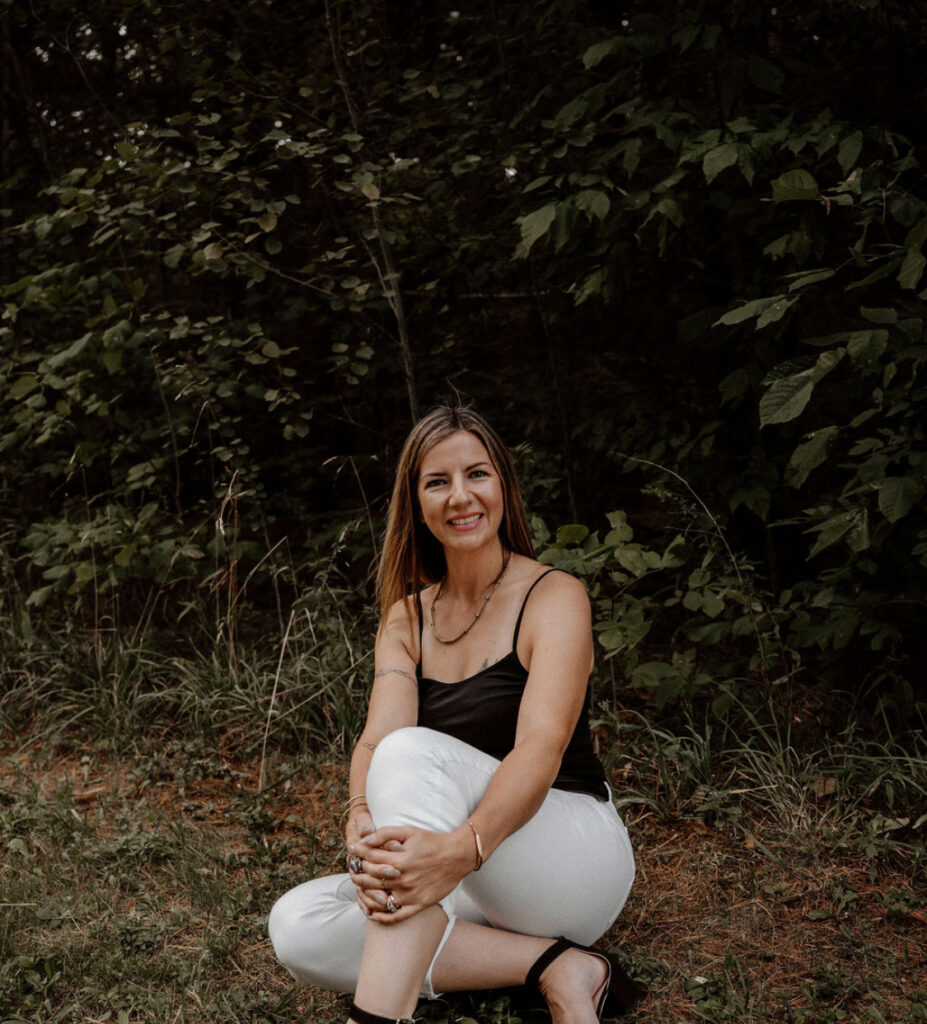
An interview with Kristine Viegas, Hope for Parkinson’s: Turning Advocacy into Action for Parkinson’s Awareness
Biography
I am a caregiver, community advocate, and volunteer leader based in Ontario, Canada. Much of my work focuses on food security, community support, and Parkinson’s awareness, driven by lived experience and a deep belief in compassion-led advocacy.
Please tell me a little about your background.
I am a wife, mom, stepmom, and grandma. I studied hairstyling and worked part time doing hair but mostly a stay-at-home mom. As my family dynamics have changed, and the kids have grown up, I really changed my career. Diving deep into volunteering, fundraising and Advocacy. I work part time are our local foodbank as the community engagement coordinator.
Can you tell me more about your Advocacy?
My advocacy centers on Parkinson’s awareness, caregiver support, and reducing isolation through education, fundraising, and support groups. I focus on creating safe, welcoming spaces where people feel seen, supported, and hopeful.
What is your passion and how did you get involved in Parkinson’s awareness and hope for a cure?
My passion comes from love—my husband was diagnosed with early-onset Parkinson’s disease, which changed our lives forever. Advocacy became my way of turning fear into purpose and ensuring others know they are not alone.
What type of goals do individuals with Parkinson’s have when seeing your Advocacy?
Many hope to feel understood, supported, and empowered to keep living fully. Advocacy reminds them that their diagnosis does not define their worth or limit their impact.
What type of training and how long are the programs?
While my advocacy is community-based rather than clinical, programs include ongoing support groups, educational sessions, and awareness events throughout the year. These are designed to be flexible, accessible, and responsive to real-life needs.
What effect can your Advocacy have on an individual with Parkinson’s?
Advocacy can reduce isolation, build confidence, and restore hope. Knowing someone is walking alongside them can be life changing.
What would you like to see as a future goal for your Advocacy?
I hope to expand access to daytime support groups, caregiver resources, and awareness initiatives in underserved communities. Long-term, I want advocacy to translate into earlier diagnosis, better care, and increased research funding.
What events do you participate in?
I organize and participate in fundraisers, like Parkinson Canada Superwalk, dinner and dance funraiser, we also attended the Nashville PDIQ + you event in Nashville. We were on the how to build your care team panel at our Parkinson Canada PDIQ + you event in Markhan 2025.
How does this also assist the caregivers?
Caregivers often feel invisible, and advocacy gives them validation, connection, and practical support. It reminds them that their well-being matters too.
What events do you participate in?
I organize and participate in fundraisers, awareness events, support groups, and community education initiatives. These include large-scale fundraising events and intimate peer-support gatherings.
How does this also assist the caregivers?
Caregivers often feel invisible, and advocacy gives them validation, connection, and practical support. It reminds them that their well-being matters too.
How can someone get in touch? What is your website?
People can connect with me through community events and social media platforms focused on Parkinson’s awareness. I am also closely connected with Parkinson Canada initiatives.
@hope_for_parkinsons
@kris_nadon_viegas
Facebook – Kristine Viegas
How can others also become advocates for awareness?
Advocacy starts with listening, learning, and sharing stories. Anyone can make a difference by speaking openly, supporting local initiatives, and leading with empathy.
In your opinion, what is the key to effective advocacy?
Authenticity. When advocacy is rooted in lived experience, honesty, and compassion, it creates a real connection and lasting impact.
How can we better fundraise to support a cure for Parkinson’s?
By combining education with storytelling and community involvement. People give when they understand the urgency and feel emotionally connected to the cause.
What other activities do you undertake to help improve and support your daily living eg exercise and alternative remedies?
We prioritize movement, routine, community connection, and mental health support. Staying active and engaged has been essential for both physical and emotional resilience.
Why should people who don’t have Parkinson’s care about this?
Parkinson’s does not discriminate—it affects families, workplaces, and communities. Awareness today creates better care, understanding, and hope for tomorrow.
Have you had any family members or relatives affected by Parkinson’s disease?
Yes, my husband was diagnosed with early-onset Parkinson’s disease, which is the heart of my advocacy journey.
If you had one song that would tell us more about you or represent your life, which song would it be?
Flaws by Calum Scott – It reminds me of my marriage, and how love for someone is stronger than any weakness, flaw or disability. Our flaws make us who we are and know matter what life throws at us or changes in us. We have each other.
If you had one final statement or quote you could leave for the Parkinson’s community, what would it be?
You are more than your diagnosis, and your story still holds purpose, strength, and hope.
______________________________________________________________
TogetherForSharon® In memory of my mother, Sharon to voice awareness & hope for a Parkinson’s Disease cure. Sharon’s Son, George